
Direct answer
What Is a Demand Letter? should identify the parties, state the facts in order, connect those facts to a practical legal theory, request a specific result, and set a reasonable response date.
Key takeaways
- Use what is a demand letter? when the recipient needs a documented chance to fix the issue.
- Name the exact result you want, such as payment, repair, records, removal, or written confirmation.
- Attach or describe proof instead of relying on conclusions.
- Keep the tone firm enough for court review and calm enough for settlement.
Short answer
What Is a Demand Letter? is a written request that creates a record before the dispute gets more expensive. It should read like a fact packet, not a rant. The best version tells the reader who is involved, what happened, what documents support the facts, what result is requested, and how long the recipient has to respond.
For this kind of matter, the letter should stay close to the proof. That is what makes it useful to a business owner, adjuster, landlord, collector, employer, or judge later. A letter that is easy to check is harder to ignore.
Facts and documents to gather
Start with the records that show the timeline: invoice, contract, payment history, messages. If you have more proof, sort it by date and label it in plain language before drafting the letter.
Do not bury the recipient in attachments. The letter can describe the proof and offer copies on request, or attach a small set of key exhibits. The point is to make the demand verifiable within a few minutes.
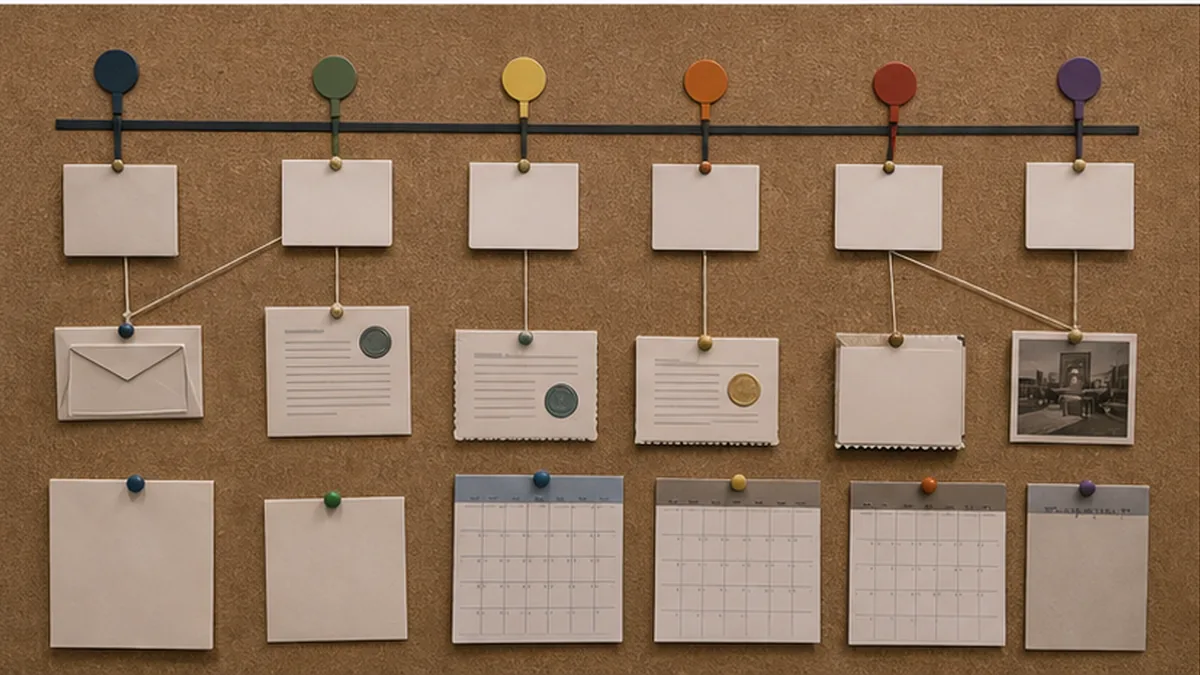
Evidence works best when the visuals match the actual dispute.
How to frame the request
State the requested result in one paragraph. For money claims, include the amount, how it was calculated, where payment should be sent, and the response date. For stop-conduct letters, identify the conduct that must stop and ask for written confirmation.
A useful deadline is specific and reasonable. Many routine disputes use 7 to 14 days, but urgent safety, harassment, or active infringement facts may justify a shorter date. If a contract or statute has notice rules, the letter should account for them.
Mistakes to avoid
Avoid threats, inflated fees, vague dates. Those mistakes give the other side easy reasons to dismiss the letter or shift attention away from the proof.
Do not threaten criminal action, invent legal fees, or claim penalties unless a lawyer has checked the basis. A measured letter usually carries more weight than a loud one.
When an attorney-written letter is worth it
Having an attorney write and send the letter is useful when the amount is large, the other side has counsel, the issue may go to small claims or civil court, or the facts include employment, housing, insurance, intellectual property, or debt collection rules.
The attorney tightens the theory, removes unsupported claims, checks the demand, and makes sure the letter does not damage the sender's position before it is sent.
Questions people ask
Do I need a lawyer for what is a demand letter??
Not always. A simple request can come from you, but a letter written and sent by an attorney is safer when the facts are disputed, the amount is meaningful, or the letter cites law.
Should I attach evidence to the letter?
Attach only the proof that makes the request easy to verify. If the file is large, identify the records and offer copies instead of sending everything at once.
What should the letter ask for?
Ask for a result the recipient can actually perform: a payment, refund, repair, records, removal, stop date, or written response. Vague demands are easier to ignore.
Sources checked
- California Courts: Write a Demand Letter (Judicial Branch of California)
- California Courts: Ask for the money (Judicial Branch of California)
- California Courts: Before you start a small claims case (Judicial Branch of California)
Join the email list and get a lawyer letter started
With Talk to My Lawyer, a licensed California attorney writes your letter from your facts and documents and sends it on your behalf. Join the Talk to My Lawyer email list for letter checklists, document prompts, and reminders before you start your letter.